
Latvian Cuisine – What to Eat in Latvia?
Located on the eastern shores of the Baltic Sea, Latvia is a unique country, both in terms of its natural beauty and its cuisine. Latvian culinary culture is nourished by the country's climate, geography, agricultural and fishing traditions, forests, and centuries of contact with diverse cultures.
Located on the eastern shores of the Baltic Sea, Latvia is a unique country, both in terms of its natural beauty and its cuisine. Latvian culinary culture is nourished by the country's climate, geography, agricultural and fishing traditions, forests, and centuries of contact with diverse cultures.
Latvian cuisine is generally simple, hearty, seasonal and deeply rooted in local ingredients: rye bread, potatoes, peas, dairy products, smoked fish, mushrooms, wild berries and fermented foods are the cornerstones of the Latvian table.
Today, modern Latvian chefs blend traditional recipes with creativity, bringing together the past and the present. The answer to the question of what to eat in Latvia lies in both the humble flavors of everyday life and the special occasion tables. Eating here is like tasting the story of the land, the forest, the sea, and the seasons.
Historical and Cultural Background
To understand Latvian cuisine, it is necessary to look at its history and geography.
Climate and Geography:
The Baltic region has long, cold winters and short but productive summers, so throughout history, Latvians have mastered the art of preserving, drying, smoking, and fermenting their food.
The Importance of Grains and Rye:
Rye grows much better in Latvian soil than other grains. This is why dark rye bread (Rupjmaize) is a hallmark of Latvian cuisine, served at almost every meal in rural homes.
Potatoes, Peas and Legumes:
Potatoes became widespread in Latvia in the 19th century and quickly became known as "second bread." Before then, legumes—especially large gray peas—were the mainstay of the population's diet. To this day, "gray peas and pastrami" remains one of the country's most popular dishes.
Dairy Products and Natural Resources:
Milk, butter, cottage cheese (biezpiens), and various cheeses are essential elements of the Latvian table. Mushrooms, blueberries, cranberries, and fish from the forest also enrich the cuisine.
Cultural and Seasonal Holidays:
In Latvia, food culture is intertwined with holidays and natural cycles. The summer solstice (Jāņi), in particular, is the country's largest festival. "Jāņu siers" (caraway cheese) and craft beer are traditions served at these celebrations.
Storage and Fermentation Tradition:
In preparation for the long winters, vegetables are pickled, fish and meat are smoked, and mushrooms are pickled. The "natural preservation methods" that come to mind when Latvian cuisine is mentioned are actually a way of life that has been around for centuries.
Eating in Latvia isn't just about filling your stomach; it's about connecting with the past, nature, and tradition. Every ingredient—whether it's a slice of rye bread or a smoked herring—tells the story of the land and climate.
Basic Ingredients and Must-Haves of Latvian Cuisine
Latvian cuisine is rich and diverse, shaped by the local ingredients provided by nature. These ingredients form the basis of everyday dishes and also play a prominent role on the table for special occasions. Here are the most fundamental and indispensable elements of Latvian cuisine:
1. Rye Bread (Rupjmaize)
Rye is the most common grain grown in Latvia. Rupjmaize is a symbol of Latvian cuisine and is featured on the table at every meal, especially breakfast and dinner. This bread, which typically has a dark, dense texture, is fermented with natural yeasts and offers an acidic flavor profile. In Latvia, bread is not just a food; it is a cultural symbol. In some traditions, bread is carried with respect and prayers are said before being placed on the table.
2. Potato
Potatoes hold a significant place in Latvian cuisine. After the 19th century, this vegetable became a staple food, especially during the winter months. Potatoes are used as a main ingredient in many dishes: boiled, fried, mashed, or included in salads. In Latvian cuisine, potatoes are not only a side dish but also a staple in main meals. Dishes like Pelēkie zirņi ar kartupeļiem (pea and potato dish) are good examples of this.
3. Dairy Products
Milk is a cornerstone of Latvian cuisine. Biezpiens (cottage cheese) and Jāņu siers (caraway cheese) are traditional Latvian cheeses. Butter and milk are also frequently used in Latvian cuisine. Skābais krējums (sour cream) is another popular dairy product, often used as a topping on dishes.
4. Peas
Peas are a common ingredient in traditional dishes in Latvia. They play a prominent role in dishes such as pīrāgi (peas in pastries), pelēkie zirņi (gray peas), and peļu zirņi. Gray peas are a characteristic delicacy of Latvian cuisine and are often cooked with meat. Peas can be used not only in main dishes but also in desserts.
5. Mushrooms
Many varieties of mushrooms grow in Latvia's vast forests, and they are an essential part of the cuisine. Forest mushrooms, called cepurītes, are commonly smoked, dried, or pickled, especially during the winter months. Furthermore, the combination of mushrooms and potatoes provides a classic flavor in dishes like cepurītes ar kartupeļiem (potatoes with mushrooms).
6. Fish
As Latvia is a coastal country, fish is an essential part of its cuisine. Hering (herring) and lasošs (salmon) are among the most popular fish dishes. Smoked fish is also a common feature on Latvian tables. Dishes like karpa (carp) and Rupjmaizes ar zivīm (fish on bread) best reflect this love of fish. In Latvia, fish is generally consumed boiled or smoked.
7. Pickles and Fermented Products
Latvian cuisine, reflecting a lifestyle closely intertwined with nature, devotes a significant portion to pickles. Vegetables, especially cabbage and cucumbers, are used for pickling. Fermented fish also plays a significant role in the cuisine. Fermented foods are consumed as a winter preparation and aid digestion.
8. Wild Berries
Because forests are so abundant in Latvia, wild berries are frequently used in the kitchen. Berries like blueberries, cranberries, and rosehips are used in desserts and drinks. They also add flavor to traditional desserts like kompoti (fruit compote) and žāvēti (dried fruit).
9. Herbs and Spices
Latvian cuisine is generally known for its simple, natural flavors. However, some dishes also use spices and fresh herbs. Spices such as cumin (for Jāņu siers), parsley, dill, and chives are often used to add aromatic flavor to dishes. Garšvīrs (a traditional Latvian spice mix) is also an important ingredient.
Traditional Latvian Cuisine
If you truly want to experience Latvia, you must first eat like the Latvians. This country's food isn't just for satisfying hunger; it's also a reflection of the connection with nature. Each dish carries the sound of the forest, the field, the sea, and the seasons. While recipes may vary from region to region and household to household, the spirit of Latvian cuisine remains the same: simple, local, and hearty.
1. Aukstā Zupa (Cold Beetroot Soup)
This bright pink soup, found on almost every menu in Latvia during the summer months, is like a bowl of refreshment. Its color comes from beets and its flavor from kefir. It's topped with cucumber, dill, fresh herbs, and hard-boiled eggs. Served cold, it's a refreshing treat, especially in the July heat.
Every family makes this soup a little differently — some add garlic, some more beets… This makes aukstā zupa a tradition that varies from household to household.
2. Skābeņu Zupa (Sorrel Soup)
This green soup, representing nature's bounty, is made with freshly picked sorrel leaves. It's also filled with potatoes, carrots, and sometimes a bit of smoked meat or hard-boiled eggs. Its tart flavor brings the freshness of spring to the table.
3. Frikadeļu Zupa (Meatball Soup)
A staple at home, this soup is made with small, handmade meatballs, vegetables, and a clear broth. A favorite of both children and adults, frikadeļu zupa is one of the first dishes that comes to mind when someone thinks of "mom's food" in Latvia.
4. Pelēkie Zirņi ar Speķi (Grey Peas and Bacon)
Considered Latvia's national dish, this recipe is especially popular during winter holidays. Gray peas are boiled, topped with fried onions and crispy bacon. Despite its modest ingredients, it's incredibly delicious.
It's best served warm in village inns or at Christmas markets — it makes a perfect pairing with a glass of local beer.
5. Karbonāde (Latvian Schnitzel)
Thinly pounded pork is coated in breadcrumbs and fried until golden brown. It's usually served with potatoes and mushroom sauce. While it bears some German influences, the Latvian version has a creamier, more home-cooked feel. It wouldn't be complete without dill and pickles.
6. Pīrāgi (Pastirma Pogaca)
This half-moon-shaped pastry, known for its golden yellow color, is a symbol of hospitality in Latvia. Filled with finely chopped bacon and onions, it's served at holidays, weddings, and even funerals.
The best part is the freshly baked, warm pastry from a village bakery early in the morning. Paired with a cup of black tea, it's an unforgettable treat.
7. Sklandrausis (Carrot and Potato Pie)
These tiny, open-faced tarts, unique to the Kurzeme (Courland) region, are made with potato and carrot puree on rye dough. They're flavored with caraway seeds and honey. They're both savory and sweet, truly the "color of the season."
Sklandrausis is protected by the European Union as a “Traditional Latvian Product”.
8. Rasols (Latvian Potato Salad)
A staple at celebrations, rasols is the Latvian version of mayonnaise-based potato salad. It contains boiled potatoes, peas, eggs, pickles, and sometimes herring. Served cold, it's a staple at New Year's Eve tables.
9. Siļķe Kažokā (Herring Under Fur)
This layered salad, of Russian origin, is a favorite in Latvia. At the bottom, salted herring is layered with potatoes, carrots, beets, and mayonnaise. Its colorful appearance is a feast for the eyes and palate.
4.3. Gift of the Sea – Baltic Fish
Latvia's connection with the sea is deep. Fish is both a source of income and a cultural symbol. It appears on the table fresh, smoked, fried, or marinated.
10. Kūpinātas Zivis (Smoked Fish)
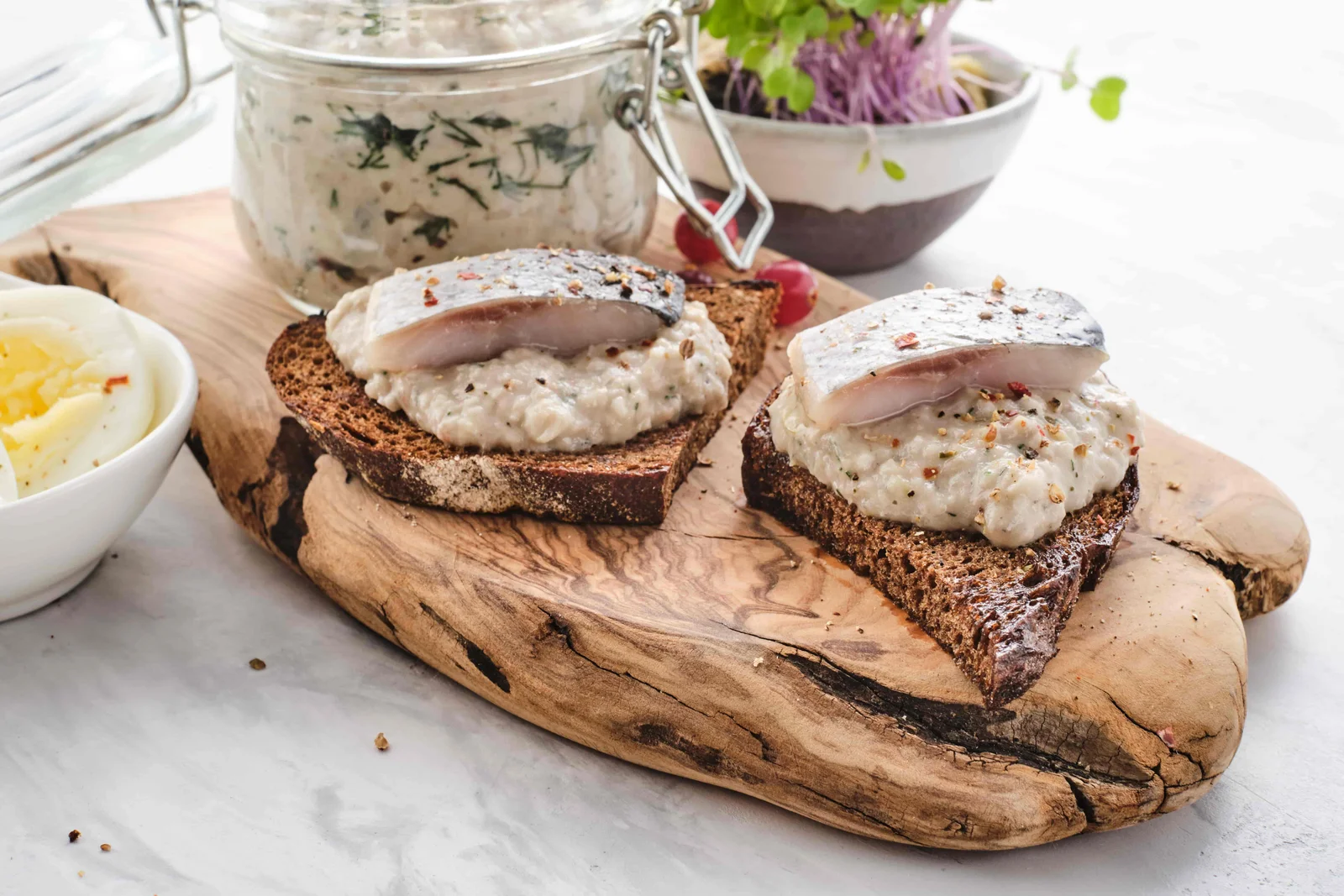
As you cruise along the Gulf of Riga, you'll smell the sea's scent mixed with the smoke. In Latvian fishing villages, sea bass, herring, or sprat are smoked over wood fires. The golden fillet is served with a warm slice of rye bread—the taste of the sea lingers on your tongue.
11. Liepājas Menciņi (Liepāja Style Cod Stew)
This traditional dish from the coastal city of Liepāja is made by cooking cod, potatoes, onions, and pastrami together. Slow-cooked in a clay pot, it's infused with smoky flavors. It's a heart-warming treat on a winter day.
12. Rīgas Šprotes (Riga Sprats)
Latvia's world-famous canned food! Small, oily sprat fish are sold in golden tins. Many Latvians eat them for breakfast, layered on rye bread with eggs. It's a simple yet timeless delicacy.
4.4. Forest and Field – Herbal Delicacies
In Latvia, living in close proximity to nature is reflected in the cuisine. Mushroom foraging and brewing wild berries and herbs are a national passion, making Latvian cuisine surprisingly vegetarian-friendly.
13. Sēņu Mērce (Mushroom Sauce)
In autumn, the forests are filled with chanterelle and porcini mushrooms. Latvians gather these mushrooms and cook them with cream and butter, pouring the resulting sauce over potatoes or buckwheat. It's intense, aromatic, and has a distinct forest scent.
14. Griķi (Buckwheat Dishes)
Buckwheat is one of Latvia's staple grains. It's made into pilaf or porridge, mixed with vegetables or mushrooms. It's a nutritious and simple dish, especially common in urban working people's lunches.
15. Wild Fruits and Herbal Teas
Latvians enjoy fruits such as blueberries, cranberries, raspberries, and wild strawberries, both fresh and in jam form. Herbal teas made from linden, chamomile, and raspberry leaves are also found in almost every home. These teas bring a slice of nature into daily life.
Desserts – The Taste of Naturalness
Latvian desserts aren't overly sweet. The natural flavors of honey, fruit, and grains are prominent. The desserts often have a "mother's touch" feel.
16. Rupjmaizes Kārtojums (Rye Bread Dessert)
This is Latvia's most beloved dessert. It's layered with crumbled rye bread, whipped cream, and cranberry or blueberry jam. The sweet, sour, and bready flavors blend together to create a nostalgic, warming treat. In some restaurants, you'll find this dessert modernized with mascarpone and caramelized walnuts.
17. Medus Kūka (Honey Cake)
A soft honey cake with layers of cream. It's similar to the Russian Medovik cake, but the Latvian version is lighter. It's available in almost every cafe and goes great with herbal tea.
18. Pankūkas (Latvian Pancakes)
There are many varieties, from thin crepes to small, thick pancakes. Sweet versions are served with jam or cream, while savory versions are served with mushrooms or meat. They're a delight for breakfast or afternoon tea.
19. Kliņģeris (Celebration Ring is My Favorite :))
Kliņģeris is a symbol of special occasions. Shaped like a giant ring, this yeast dough is decorated with almonds and sugar. It takes its place in the center of the table at birthdays, weddings, and name days.
20. Buberts (Sweet Semolina Cream)
Made with semolina, egg whites, and milk, this light dessert is often served with fruit sauce. It's a fluffy, simple dessert that has been enjoyed at home for centuries—a true "grandmother's dessert."
Latvian Holiday Tables and Latvian Celebration Traditions
In Latvia, food isn't just for filling the stomach; it's a way to celebrate, share, and connect with nature. Every season of the year is filled with holidays that align with the seasonal cycles. Every holiday is alive with its own table traditions, and certain dishes are a must-have for those special occasions.
In this section, we take a look at Latvia's most important holiday feasts — from the warm scents of Christmas to the Jāņi festivities of the summer solstice.
1. Ziemassvētki – Latvian Christmas
On the longest night of winter, Latvians gather with their families, light candles, and decorate their homes with pine branches. Ziemassvētki (Christmas) is not only a religious holiday in Latvia, but also a nature-based holiday, symbolizing the light that comes after darkness.
Christmas Table Essentials
Christmas dinner is usually eaten on the night of December 24th and is prepared according to the tradition of "12 dishes"—each representing a month of the year. This table usually includes the following delicacies:
Pelēkie zirņi ar speķi – Gray peas and bacon; symbolize abundance and endurance.
Rasols – Potato salad, a colorful celebratory dish.
Siļķe kažokā – Layered herring salad.
Skābēti kāposti – Sour sauerkraut, aids digestion and brings health.
Pīrāgi – Pastry filled with pastry, a must-have in every home.
Piparkūkas (Latvian Christmas cookies) are baked for dessert. The scent of cinnamon, cloves, ginger, and honey makes the house feel warm, even in the cold winter weather. Children decorate the cookies as they bake, while adults enjoy hot glintwein (spiced wine).
2. Līgo and Jāņi – Summer Solstice Celebrations
Latvia's biggest and most festive holiday, Jāņi, is celebrated on the night of June 23–24. This is the summer solstice—the night when the sun stays in the sky the longest.
Celebrated among fields, flowers, and forests, this holiday sees people lighting fires, singing folk songs, and weaving wreaths until dawn. Tables are filled with abundance from nature.
Stars of the Jani Table
Jāņu Siers (Midsummer Cheese):
Made with milk, curd, and caraway seeds, this round cheese symbolizes the sun and the cycle of life. Each family makes its own Jāņu siers, usually prepared in the early morning.
Pīrāgi:
It is always on the table during this holiday; it is especially eaten outdoors, by the fire.
Fresh Beer and Herbal Tea:
Drinks made with summer herbs are a way to thank nature, and homemade beer is often topped with flower petals.
Jāņi night also has a romantic legend: couples search for the “blooming fern” in the forest — it is a symbol of love and fertility.
3. Lieldienas – Latvian Easter
Lieldienas is a spring festival where Christian traditions and pagan roots merge. The rebirth of nature, the singing of birds, the first flowers… Everything is fresh.
What Happens at the Easter Table?
Egg (Olu):
They are dyed and clinked, and their colors represent the joy of spring. Traditionally, eggs are dyed with natural ingredients: onion skins, beetroot, or linden blossom.
Cold Cuts and Smoked Fish:
After the long winter, it's time to return to fresh and salty flavors.
Desserts:
Biezpiena torte (curd cake) or pankūkas (pancakes) are often made.
On this holiday, people go outside early in the morning, set up swings, and perform "waking up" ceremonies to nature. Songs and laughter are as much a part of the table as the food.
4. Name Days (Vārda Diena)
Name days are celebrated in Latvia, as are birthdays. Each name belongs to a specific day on the calendar, and when that day arrives, friends, colleagues, or neighbors offer their congratulations.
The celebration usually takes place around a small table:
Pīrāgi, kliņģeris (large ring buns), and a jug of fruit juice or wine are common. These celebrations are simple yet heartfelt, and you'll feel the warm hospitality of the Latvians best at these tables.
5. Weddings and Village Festivals
In rural Latvia, weddings can last for days. Traditionally, the food served at weddings was believed to bring prosperity.
Wedding Table Classics:
Kliņģeris – Coins are sprinkled on it before it is cut for luck.
Karbonāde – Served as a hearty main course.
Fruit Wines – Often homemade, flavored with raspberries or cranberries.
In some villages, the tradition of “breaking bread” still lives on: The bride and groom break a freshly baked rye bread together, symbolizing that they will share a lifetime together.
6. Holiday Tables in Modern Times
In today's Latvia, traditional dishes are being reborn with modern twists. In Riga restaurants, Jāņu siers is now served as a herb mousse, and pelēkie zirņi ar speķi is served with truffle oil.
But the essence remains the same: holiday meals are still a bridge connecting family, nature and the past.
For Latvians, the table is not just a place to eat, but also the most delicious way to connect with roots, friendship and the cycle of the earth.
Comments (0)
Leave a Comment
No comments yet. Be the first to comment!