
Latvia Approves Draft Law Proposing Withdrawal from the Istanbul Convention
Latvia Approves Draft Law Proposing Withdrawal from the Istanbul Convention
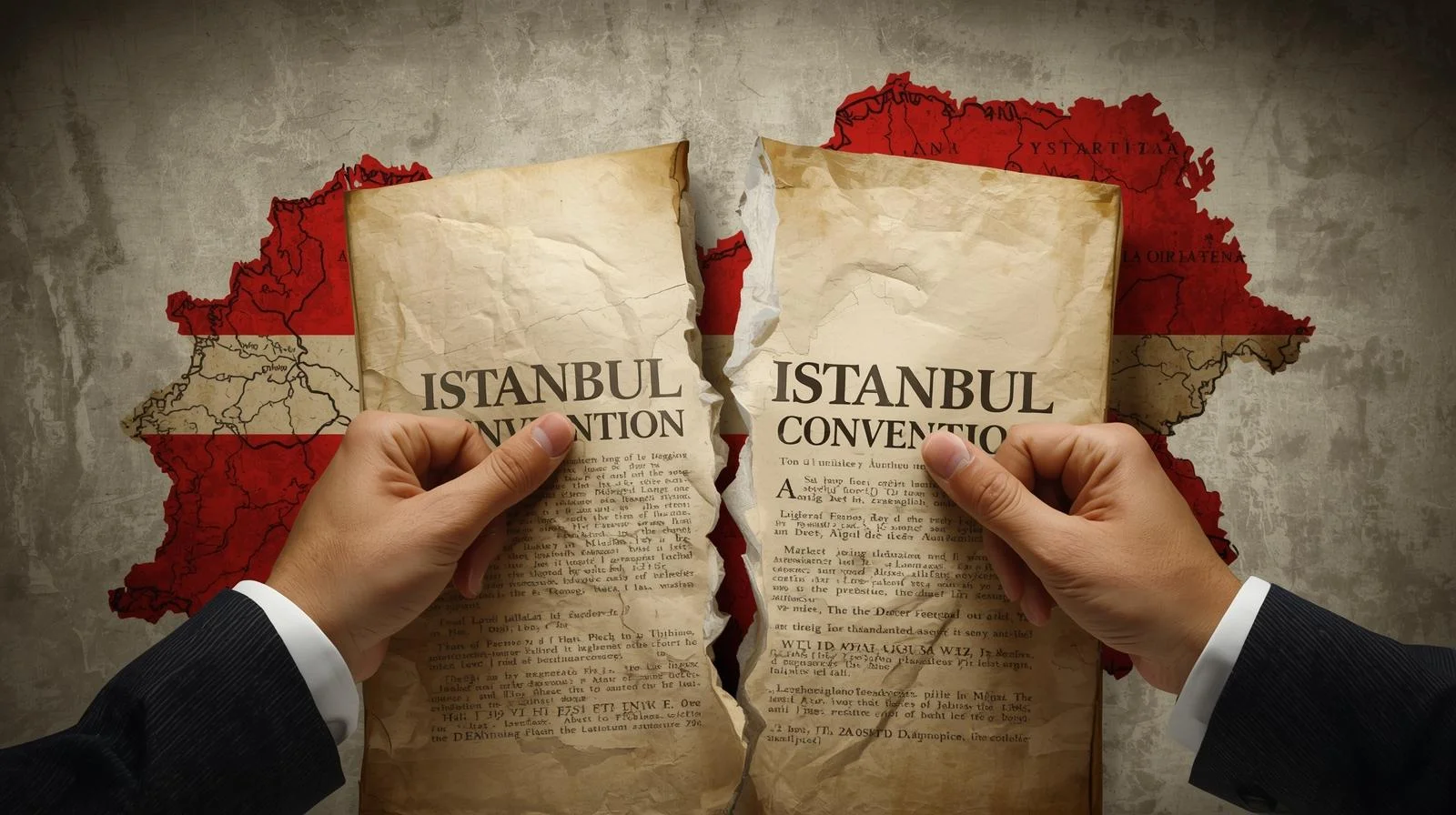
The Latvian Parliament has approved a bill to withdraw from the Istanbul Convention on combating violence against women and domestic violence. If approved by President Edgars Rinkēvičs, Latvia will become the first European Union member state to withdraw from the convention.
In the vote held in parliament in the capital Riga on Thursday after 13 hours of intense debate, 56 MPs voted to withdraw, while 32 supported staying in the agreement. Two MPs abstained.
Latvia ratified the Istanbul Convention in November 2024. The convention was drafted by the Council of Europe to combat violence against women and domestic violence and opened for signature in Istanbul in 2011. The agreement, which entered into force in 2014, has been ratified by more than 30 countries to date. Turkey was the first country to withdraw from the convention in 2021.
Political divisions deepen
The decision to withdraw is reportedly creating a new divide in Latvian politics. The center-right government, led by Prime Minister Evika Siliņa, continues to support the agreement, while its coalition partner, the Greens and Farmers' Union (ZZS), voted alongside the opposition parties. It is understood that the opposition Latvia First party first raised the issue in September.
Prime Minister Siliņa criticized the decision in October, writing on the social media platform X, "Those brave enough to ask for help are now seeing their experiences instrumentalized in political debates. This is cruel."
Discussions about withdrawing from the agreement have highlighted divisions within the coalition ahead of general elections scheduled for autumn 2026.
The President's decision is awaited
President Edgars Rinkēvičs has stated that if the bill comes before the court, he will consider his decision "within the constitutional and legal framework." However, he has also stated publicly that he will respect the will of parliament. Therefore, the course of the process remains unclear.
Social repercussions
The decision in Latvia resonated both domestically and across Europe. According to local media, around 5,000 people protested in Riga ahead of the vote against the withdrawal attempt. The following day, a small group of about 20 people supporting the withdrawal gathered in front of parliament.
Tamar Dekanosidze, a representative of the international women's rights organization Equality Now, described the vote as "a step that risks regression in terms of human rights standards at the regional level."
Debate continues in Europe
The Istanbul Convention obliges signatory countries to prevent violence against women, protect victims, and punish perpetrators. However, in recent years, it has been criticized in some European countries, particularly by conservative groups, for allegedly "promoting gender ideology." The debates in Latvia have largely revolved around these narratives.
President Rinkēvičs is expected to announce the decision in the coming weeks. Following the decision, Latvia could be at the center of the debate in Europe about the future of gender policies and international human rights agreements.
Comments (0)
Leave a Comment
No comments yet. Be the first to comment!